
Recent violence against Asian Americans and Pacific Islanders sadly has deep roots in the history of the United States.
Abstract
While prior research shows how community-based organizations (CBO’s) create new social ties and solidarities, we know less about CBO’s that formalize preexisting relationships of care. Analyzing transgender nonprofits as a strategic case, this article develops the concept of kinship organizations: organizations that incorporate norms, networks, and resources from kinship systems into a formal organization that provides regular social services. Drawing on 7 months of ethnography and 36 formal interviews with staff and clients, I explore how transgender kinship organizations function,…
Columbia University will develop a model curriculum—“Racial Justice and Abolition Democracy”—to address racial inequality in the criminal justice system thanks to a $5 million, three-year grant from The Andrew W. Mellon Foundation.
In partnership with community organizations and higher education institutions across the country, the upper-level curriculum seeks to reimagine punishment in the United States.
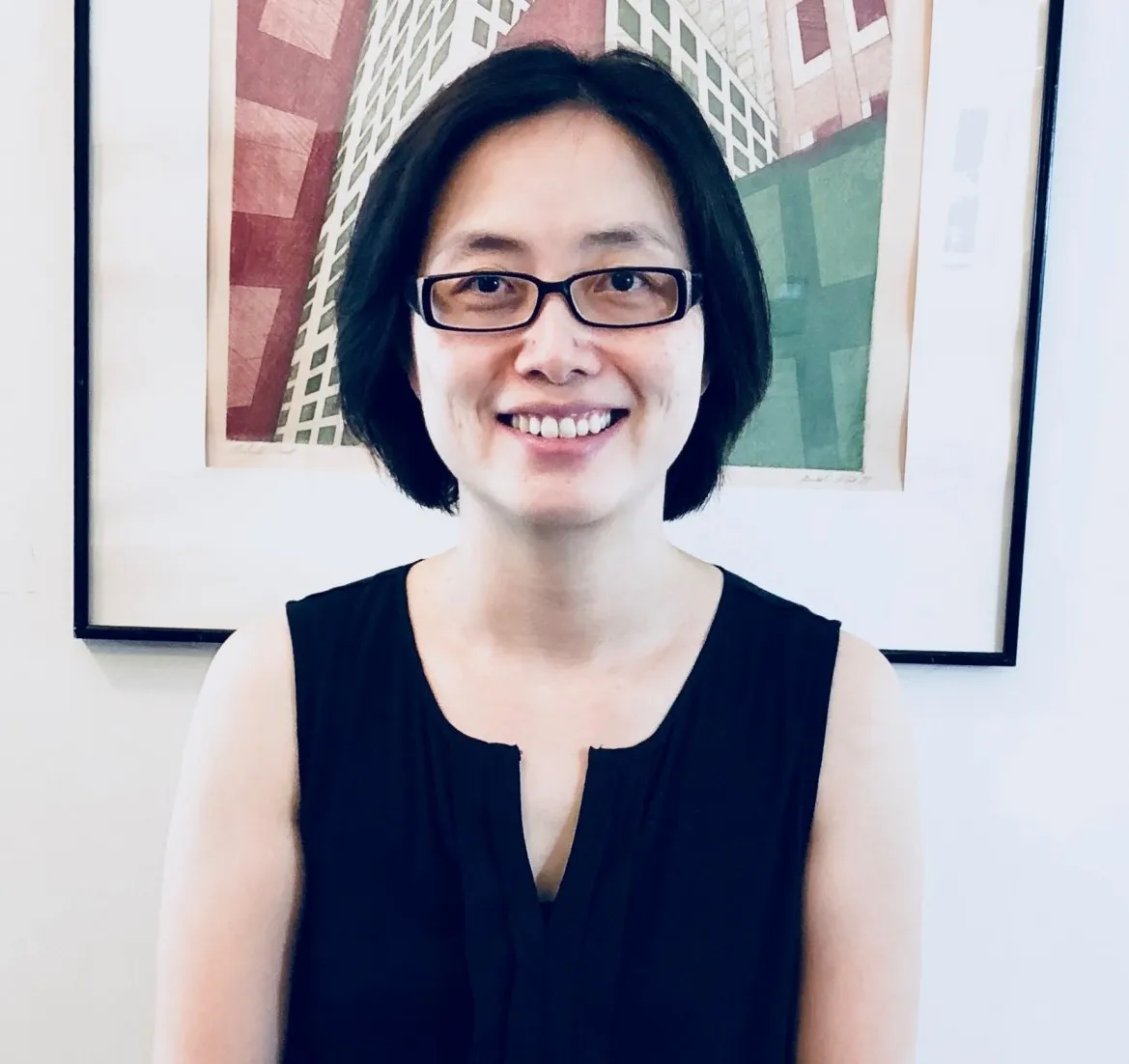
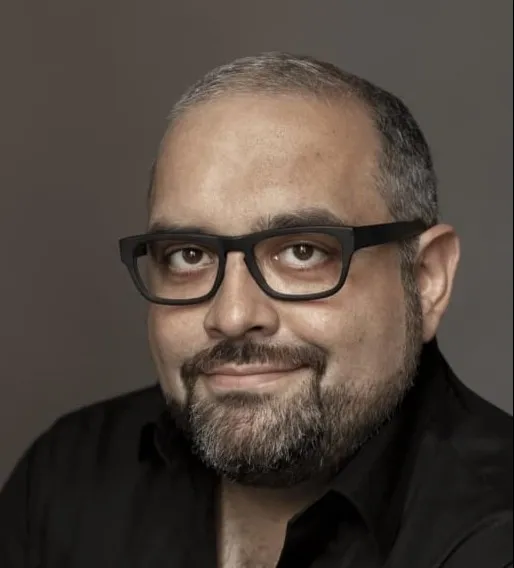
The Department of Sociology congratulates Prof. Shamus Khan in receiving the American Sociological Association Charles Tilly Best Article Award for his article “How Cultural Capital Emerged in Gilded Age America: Musical Purification and Cross-Class Inclusion at the New York Philharmonic.“ American Journal of Sociology 123(6): 1743-83, co-authored with Fabien Accominotti and Adam Storer.

The COVID-19 pandemic is the gravest public health crisis the United States has faced since the Influenza pandemic of 1918, but it will not be the last. Disaster research is often by necessity retrospective, providing accounts of past actions and ongoing recoveries. The temporal profile of the COVID-19 pandemic presents an opportunity for social research in the middle of an unfolding crisis, providing contemporaneous insights into risk perception and sensemaking under duress, community and organizational resilience, transformations in social structure, and real time adaptations to severe economic…
With the induction of the 2020 cohort, the AAPSS will have awarded 140 Fellowships in the 20 years that its Fellows program has existed. Most of the Academy’s Fellows are university-based scholars who have changed our understanding of human behavior and the world in which we live; others are public servants who have used scholarly research in government to improve the common good.